0
0
 0
0
3. POVERTY
Another truth we don’t talk about is that not every migrant to the West “makes it.” My OG once broke it down for me. He said, Success is a mix of preparation, opportunity, and luck. One can be prepared with training, education, and well-practiced skills. They can even get a few opportunities. But without that extra bit of luck, the story doesn’t always unfold the way they would like to post on Instagram. I can also see myself (to some extent) in this situation. Despite my extensive education and talents, I’m yet to secure a record deal with a major label or publisher. Many independent artists get grants or funding from government bodies or philanthropists, but I haven’t. Preparation would be writing rhymes, opportunities would be record deals, and luck would be getting those deals.
There were no subsidies, inheritance, or financial windfall from insurance claims, even though I had been in serious car accidents and qualified for many other government safety net benefits. Fortunately, my luck came through in different ways, through moving around and making strategic choices, mainly since I immigrated legally. So, according to my OG’s analogy, I was prepared and had some luck, but received no significant opportunities. I had to do for myself and be a self-made man. And for many African migrants (as everyone knows), the game is even more challenging. We’re the most discriminated group on the planet. There are places on this earth where we can be hated before we even open our mouths, just because we’re African. My point? The odds can stack up.
Now imagine an African who arrived in the West with no formal education, no proper documentation, no relatives or friends in the country, and no access to legal work or business. They lived in the shadows, surviving on odd jobs (clean, lift, shovel, carry, pack, wash), doing whatever it takes to get by. They send what little they earn back home, supporting family members who, in many cases, believe they’re “living the dream.” By the time they finally get the proper papers, ten years have passed. Add student loans. Credit card debt. Medical bills because they got sick and didn’t qualify for a healthcare subsidy. Maybe she had children while still struggling. Perhaps he developed breathing issues after working in a factory or chemical plant. Maybe this person ended up in prison.
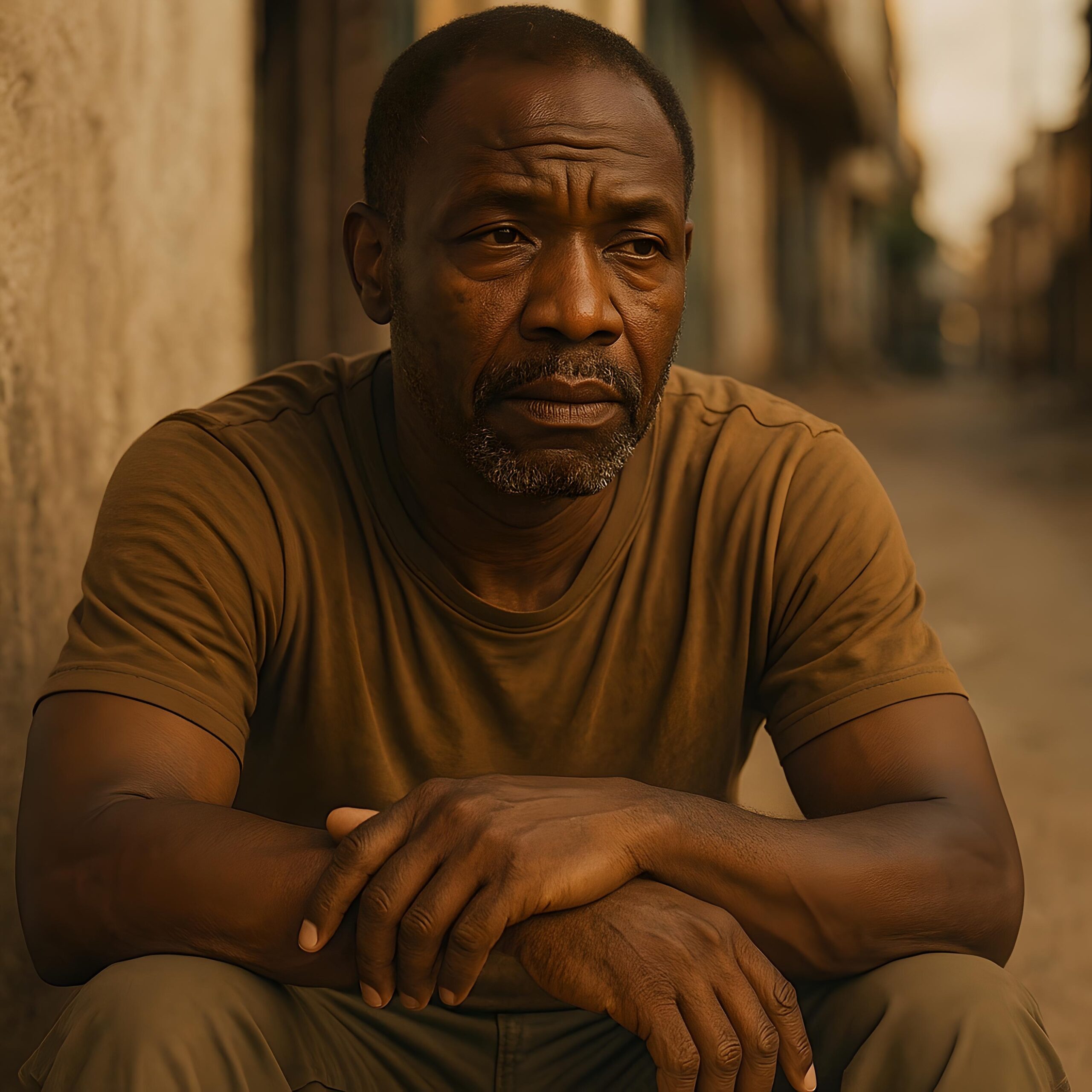
Fast forward twenty turns to forty years. He or she’s been in the West all that time, but owns no house, no car, no stocks, no savings, no designer anything. They only have a worn-out body with serious health problems, and memories of years spent grinding. Right? Not everyone can sing, dance, rap, code, or write their way out of poverty. Not everyone gets a scholarship, a dream job, a great job promotion, or a golden handshake. Not every migrant gets that one big break and lands the rich girlfriend (or boyfriend), that heaven-sent mentor, that one mentor who pulls them up. Some Africans in the diaspora are living paycheck to paycheck. Some are homeless, sleeping in cars, under bridges, in parks, and in abandoned buildings. Some migrants are barely surviving (not thriving).
When people ask, “Why doesn’t he or she just go back to Africa?” they overlook this reality. After forty years abroad, how does someone return home with nothing to show? No measurable “success,” no business, no accumulated anything. For many, the idea of returning under those circumstances is shameful. It represents a life spent pursuing opportunity, only to discover that the dream never materialized, and the promise never reciprocated their loyalty. Some from other communities may try to use these struggles to ridicule Africans, but that ignores the historical context entirely. Our ancestors endured four centuries of enslavement, followed by two additional centuries of systemic discrimination, exclusion, and structural barriers. Given that legacy, the socioeconomic challenges within Black communities cannot be divorced from the historical forces that created them.
The real question is not why Black migrants struggle, but rather: what is everyone else’s excuse? Globally, only about 1% of the population is genuinely wealthy, and roughly 10% belong to an upper–middle-class tier. The middle class is probably another 20%, which we all know is the working poor, and then the remaining population is poor. The vast majority of humanity is striving, surviving, or simply trying to maintain stability. Against that backdrop, President Trump’s threats toward US green card holders and naturalized citizens do not target a single community. They reverberate across every demographic that relies on the promise of America for security and opportunity. This is especially true for migrants-turned-residents who have spent all or half of their lives in the US.
4. FAMILY & SECOND-GENERATION ROOTS
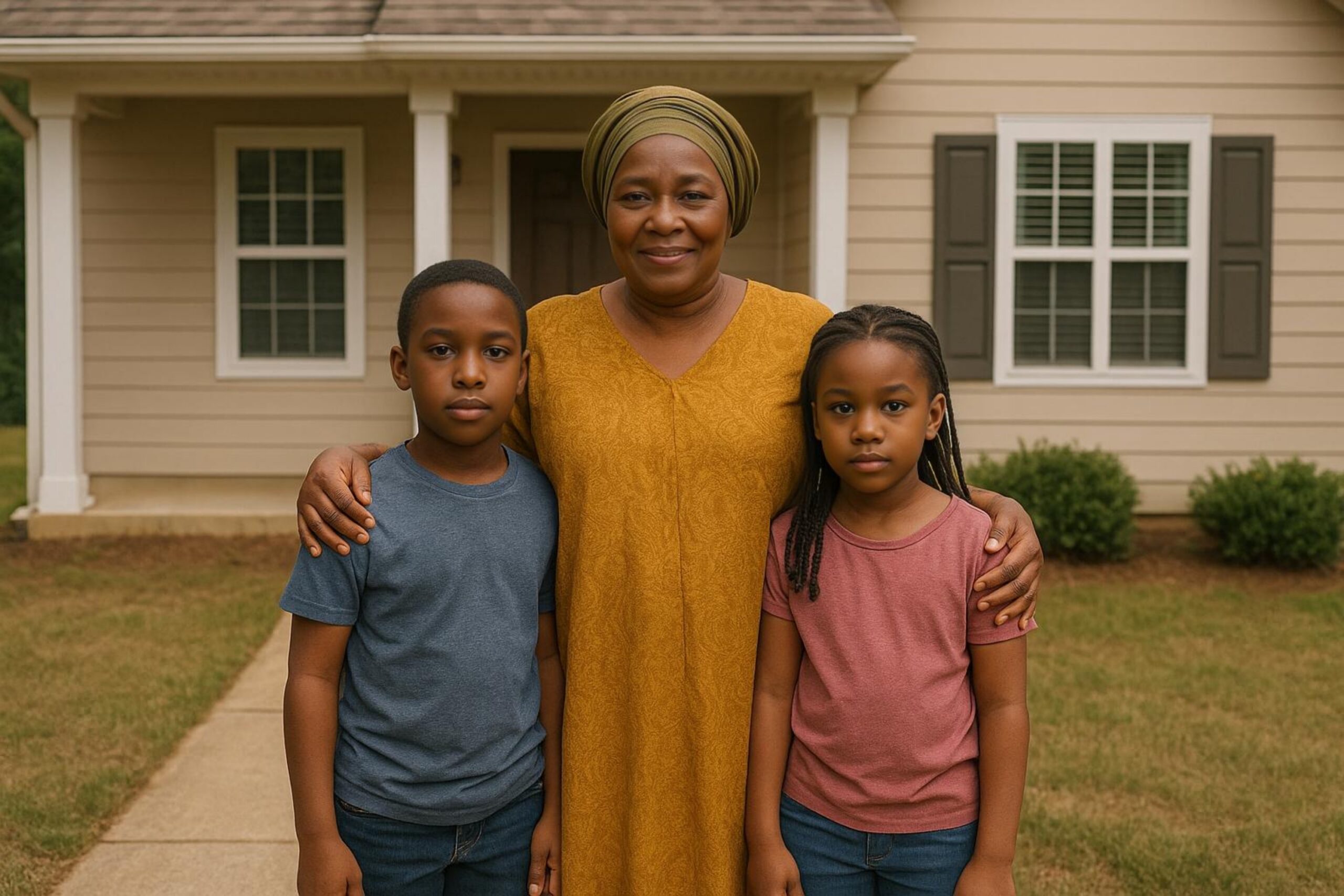
Another big reason many Africans in the diaspora don’t “just move back home” has nothing to do with politics or money. It’s family. At some point, life in the West stops being about you as an individual and starts being about the people who came after you (your children, your lover, the new roots you grew without even realizing it). A lot of us had our kids out here. They were born in American, Canadian, British, German, Australian, or Scandinavian hospitals. They attended daycare, kindergarten, elementary school, and high school in these countries. Their first friends, first crushes, first fights, and first memories all happened in the West. To them, “back home” is a place they visit, not a place they remember. So someone can’t say, “Why don’t you just move back to Africa?”
They must factor in the reality that, for our kids, that would mean leaving everything they know (their language, school system, friends, and future plans). The migrant might be going home, but the migrant’s kids would be going abroad. Then there’s the marriage and romantic relationships factor. Some Africans in the diaspora are in interracial or intercultural marriages. Their spouse might have no real connection to Africa, no roots there, and no desire to start over in a place where they don’t speak the language or understand the system. Now you’re moving a person and a whole family unit. And if that relationship ends? Divorce laws, custody agreements, and court restrictions can make it almost impossible for a parent to relocate with their children, even if they want to.
For some, leaving the country could mean leaving their kids behind. That’s not a choice any sane parent makes. Then add education into the equation. Many African parents stay in the West because they believe the schooling and opportunities are better for their children. Take me, for example, in Germany, all education is free up to university level. These include Catholic, private, or international schools. In Africa, one must pay tuition, buy uniforms, books, and other supplies, and cover transportation. The African parent might be willing to deal with the cultural loneliness and subtle racism so their sons and daughters can have access to universities, scholarships, or more global opportunities. My kids already have the same dual citizenship I achieved after over thirty years.
Even if I personally would love to retire in Accra, Lagos, Freetown, Nairobi, or Johannesburg, I would stay put because I don’t want to uproot my kids’ futures. On top of that, some immigrants now have elderly parents with them, or extended family members who depend on them nearby. Others are still financially supporting relatives back home and feel pressure to stay where the paychecks are, not where the heart is. So the reality becomes, “If it were just me, I’d go. But it’s not just me anymore.” By the time the children are grown and independent, the parents are older. Their health may be fragile, their community circle is now in the West, and the idea of rebuilding life from scratch in Africa becomes more of a fantasy than a plan. It’s easy to romanticize “going back home” on social media. But behind closed doors, many Africans in the diaspora are making quiet sacrifices for their families every single day. They didn’t forget Africa. They just chose their children’s stability over their own nostalgia.
5. A DANGEROUS KIND OF JEALOUSY
When many Africans in the diaspora think about returning home, they are not only calculating economic realities. They’re also weighing the spiritual and social risks of re-entering environments where envy can be active, even if it’s passive. Someone may leave their village or hometown as an ordinary young person, uncertain of their future, and return decades later with education, international exposure, refined confidence, and a transformed physical presence shaped by years abroad. On paper, this should inspire pride. But in many pockets of African society, dramatic personal growth is often interpreted through a different lens. That lens is not a communal success story, but a threat or a reminder of what others feel they have not achieved. I know, it sounds unbelievable.
This is not superstition. It’s a documented cultural reality. In regions where traditional religious practices, ancestral rituals, and spiritual cosmology are rooted, jealousy does not always remain an emotion. It can become a fuel. Stories circulate of returnees who quickly fall ill, lose their fortunes, suffer inexplicable setbacks, or become entangled in conflicts they never anticipated. Whether interpreted metaphorically or literally, these narratives shape behavioral choices. The fear is not only of material loss, but of unseen forces aimed at humbling the returnee, stripping away blessings, or pulling them back to the status they held before leaving. When someone has spent years building themselves up abroad, the thought of being spiritually sabotaged on arrival is enough.
People stay away not because they have stopped loving home, but because they fear returning to a place where their success might trigger resentment rather than celebration. In the diaspora, personal growth is often rewarded, encouraged, or at least tolerated. Back home, that same growth may attract scrutiny or spiritual hostility from those who believe that no one should outpace the community. So instead of risking the emotional and metaphysical toll of becoming a target, many Africans choose to remain abroad — where their progress does not threaten anyone. The tragedy is not that they stay away. It’s that they feel safer protecting their light from afar than shining it where they were born. They may have left home to escape this very situation expressed here.