0
0
 0
0
This beloved music and Culture didn’t enter this world peacefully. It showed up the way most Black trends do (screaming, kicking, and immediately misunderstood). From the first beatbox breath in a Bronx park, haters were already predicting its end. Our generation produced a Culture so raw, honest, and close to the bone that white supremism and the establishment grew allergic to its existence. They saw an enemy. The ghetto’s broken glass and its ironies spoke the stories no one else wanted to write. And for that, the Culture became a target. This war did start with a press conference or a political declaration. We even saw high-level politicians speaking against it.
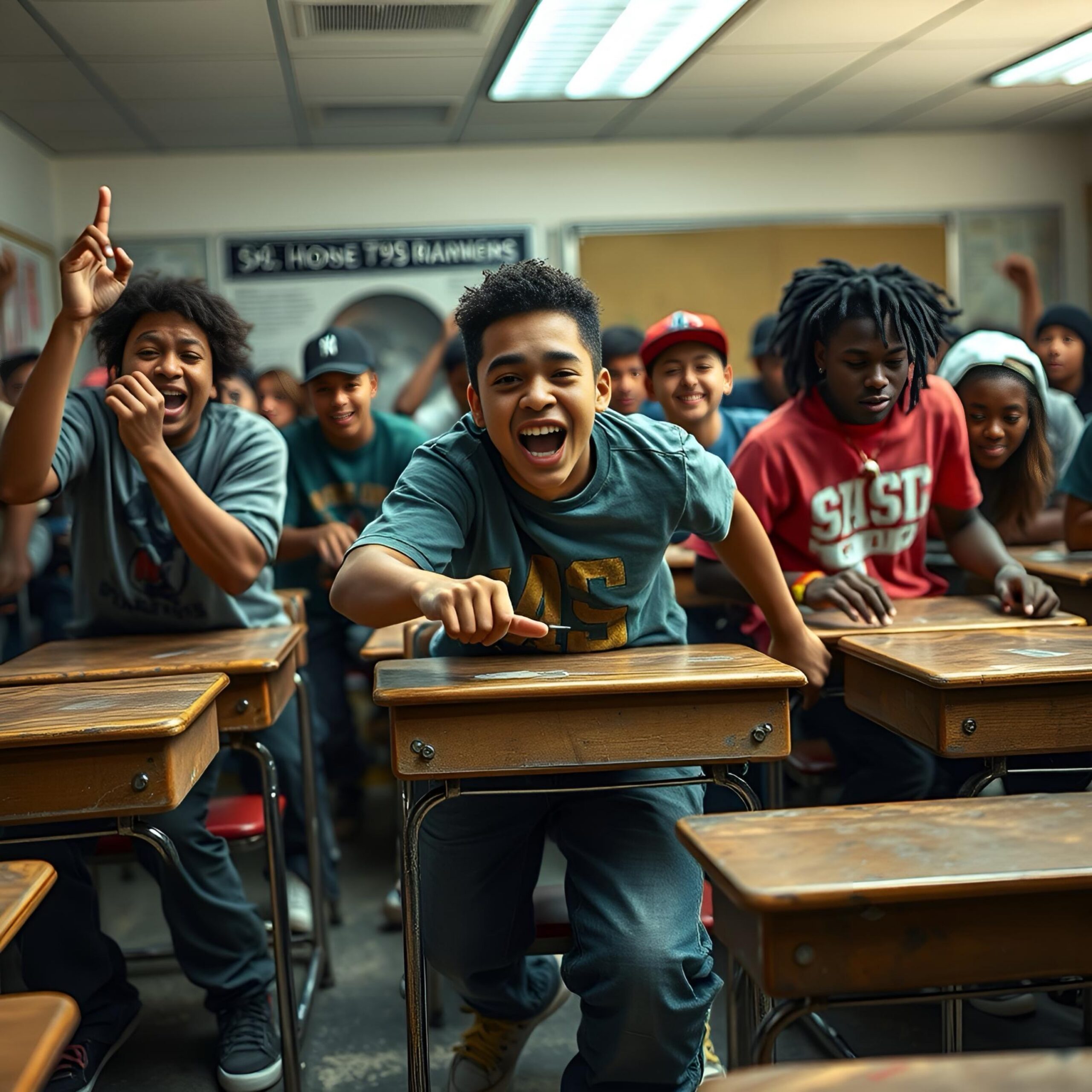
It began the day Black and Brown kids took the scraps of a gutted society (poverty, abandonment, crime, broken schools, hunger) and turned them into language, rhythm, song, attitude, dance, fashion, and poetry. Like Jay Z once said in an interview, “When they took our musical instruments away, we beat on the desks.” I say that when they took away employment opportunities that led to good housing, status, and romantic opportunities (a chance to raise a decent family), we became independent entrepreneurs and impresarios. We created our own businesses and opportunities, allowing us to build wealth, live in a great home, and find some of the best partners.
The early assault was: “This isn’t music.” From day one, critics dismissed Hip Hop as noise, a fad, or some unruly barbarism. They wanted the world to believe it was uncivilized (dangerous even) because it was easier to condemn a new culture than face the inconvenient truth it revealed. Hip Hop was the sound of entire generations pushed to the edge of society. Inner-city failures across the globe produced youths who refused to suffer quietly, and their voices made the establishment nervous. Radio stations rejected it. Record labels resisted it. Powerful gatekeepers tried to bury it under silence. False accusations were the haters’ and critics’ go-to approach and strategy.
Part of why I became an author is because so many bougie, white-washed elders in the African community weaponized respectability to shame us. They called us uneducated, unintelligent, and uncultured, not because Hip Hop lacked depth, but because our truth unsettled their comfort. Germany today echoes that same tension. Systematic stripping of opportunities and cultural spaces has been used to stunt Hip Hop before it blooms. The tactics are subtle (always behind the scenes), but the intention is clear. A German abroad will drink and loosen every button. Bring that same energy into Germany, and suddenly the sermon shifts to order and etiquette.
The irony writes itself. These hindrances were always there. And still, the more the haters tried to suppress Hip Hop, the stronger it grew. Each rejection sharpened its instincts. Every dismissal thickened its armor. What they tried to suffocate, we turned into flame. It became the world’s best music genre! When ignoring Hip Hop didn’t work, the critics and haters reached for their oldest weapon: caricature. Overnight, the entire Culture was flattened into three lazy tropes (the drug dealer, the pimp, and the violent criminal). Thousands of artists, dancers, DJs, poets, scholars, and cultural innovators were forced into a box. It was a colonial strategy wrapped in a modern outfit.
If you want to weaken a people, first distort their reflection. Make them look small, ugly, unworthy, even dangerous. Some cultural thinkers argue that Hip Hop distortion (popularization of Gangsta Rap) wasn’t accidental. Real money was invested to amplify the most negative imagery of Black people, hoping to poison the Culture from the inside. But something remarkable happened. Hip Hop flipped the script. It alchemized every stereotype. The “drug dealer” archetype became the blueprint for CEOs. The “pimp” aesthetic evolved into high fashion and global branding. The “criminal” rebel became a mogul, signing multi-million-dollar deals on his own terms.
Hip Hop did what Black people have always done: created. Transformed insult into innovation. Turned slander into style. Molded disrespect into a dynasty. And that transformation (that refusal to die) only escalated the war against the rappers. The war was never just about music. It was about the people who emerged and the culture that shaped them. After the victories of the Civil Rights and Black Power movements, the United States shifted from open conflict to structural sabotage. By the late 1960s and 1970s, government programs quietly aimed at the foundation of Black life: the family. Welfare policies and low-income housing rules forced fathers out of the home.
A low-income mother (on welfare) could feed her children only if the man of the house disappeared. This fracture took root long before Hip Hop in the 1980s. A generation of boys (some pulled into gangs, others who became Hiphoppas) grew up without their fathers. Many of those fathers had been targeted, killed, or caged behind bars. That same generation of girls also grew up searching for identity in a horizon stripped of stability. They blamed the men who weren’t there and embraced new ideologies (Black feminism/Womanism) to explain their pain. With unity broken, the streets stepped in to teach. By the 1990s, Black men were ideally submerged in the latest trap.
The crack epidemic (which did not simply descend from the heavens) entered Black neighborhoods through channels controlled far above the block. And the so-called “War on Drugs” was never about drugs. It was a war on Black men: sons, fathers, husbands, brothers. One of its sharpest weapons was the systematic dismantling of Black households. Black girls were targeted differently. They weren’t funneled into prison like the boys. They were pushed into adulthood before they ever had a childhood. Hypersexualized imagery, fractured Black girls’ innocence, and relentless media stereotypes shaped their path. Many became mothers long before they were ready.

Society called them “fast” but never questioned who took their innocence, who failed to protect them, or who benefited from their vulnerability. Hip Hop mirrored this turmoil, and in that, Black feminism found its voice. Another front of this so-called war on Hip Hop tore at another psychological spine that once held Black communities together. Hip Hop became the soundtrack of survival. It became the hymn of those determined to rise anyway. By the 1990s, the assault moved directly into the schools. Black boys were labeled “ADHD” at rates no other group experienced. Teachers wrote them off as disruptive long before anyone understood their brilliance.
Where they needed mentorship, they got medication. Where they needed structure and guidance, they got isolation. Damn near everyone turned to Hip Hop. Schools stopped being places of opportunity and became holding centers, policed from within. For too many Black boys, every hallway pointed toward a jail cell. And as always, when America launches any campaign, the rest of the West echoes it. You see this sudden, coordinated “tough on immigration” posture that followed the Trump era. When those same young men put their truth on wax, the system that failed them had the nerve to criticize their honesty as if their pain was the problem, and not the conditions that produced it. Those who sought an escape in outside worlds soon realized foreign racism is also staggering.
When Black American artists finally started cracking the economic ceiling (building their own labels, charting globally, stacking generational wealth), the battleground shifted again. A new form of psychological warfare emerged. This included but wasn’t limited to retroactive accusations, reputational hits, exposés, tell-alls, documentaries, and the quiet shrapnel of anonymous court filings. A Black man’s name can take damage long before he steps inside a courtroom. People believe anything the media publishes. This isn’t about dismissing real victims or defending anyone who has harmed victims. Justice should be balanced, not blind. But patterns speak.
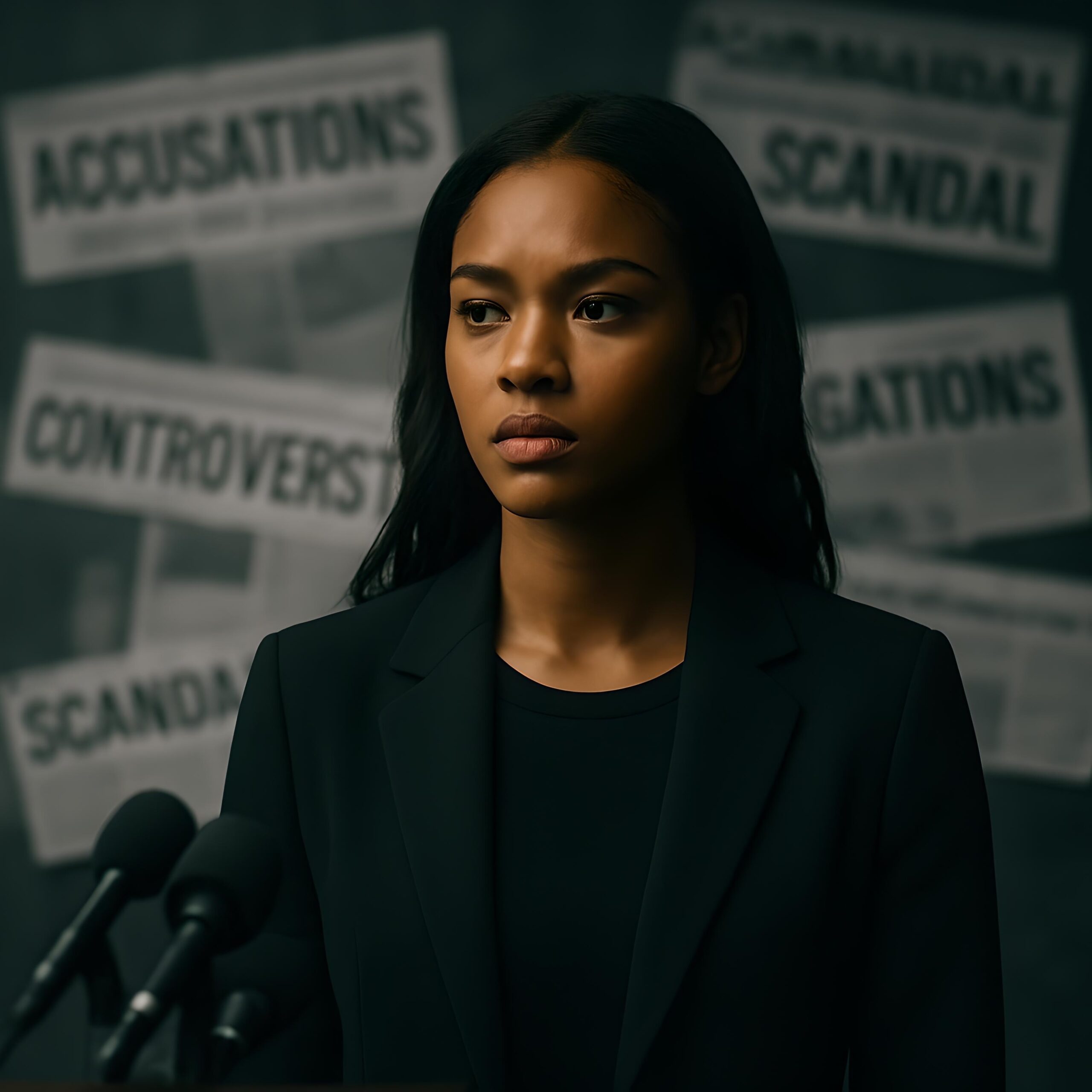
We’ve watched a wave of high-profile documentaries and allegations land almost exclusively on the entertainment industry’s top earners. These are the Black men holding catalogs, legendary companies, and billion-dollar influence. Careers collapsed, some men fled the spotlight entirely, and a few didn’t survive the fallout at all. When you consistently see the most prominent Black power players being targeted at the exact moment their influence peaks, while enormous amounts of money and influence hang in the balance, it raises questions polite society pretends not to hear. Every time a Black man climbs, somebody shows up with scissors for the rope.
This is another strategy, as all one needs is a crowd of accusers and media support. Actual evidence like video, police report, or wire taps is no longer necessary to sway a grand jury or the broader public. These public scandals have already smeared the image of Black entertainers around the world, as in Europe, I have a sense that some people treat Black entertainers as if they are potential criminals or abusers. The allure of the sexy and talented Black man is fading into that of a predator. So, the take down of certain moguls sends a ripple effect that affects those who were never accused. That’s another strange “coincidence” that rolled in alongside cancel culture.
What about the sudden shift from physical products to digital everything? Overnight, streaming giants stepped in and wiped out CDs, cassettes, and the old-school ways Black artists used to eat. The entire financial structure flipped, leaving many independent artists behind. Then the tech companies doubled down. Cars stopped coming with CD or MP3 players. Home stereos and TVs no longer support discs. Every device that once ran the product we sold was redesigned to run in the cloud, except for video games. Yeah, the upgrade pushed technology forward (no question). But it also changed how the money moved. Interestingly, the moment Hip Hop finally figured out how to turn physical hustle into generational wealth, the whole system quietly switched the rules again.